Show summary Hide summary
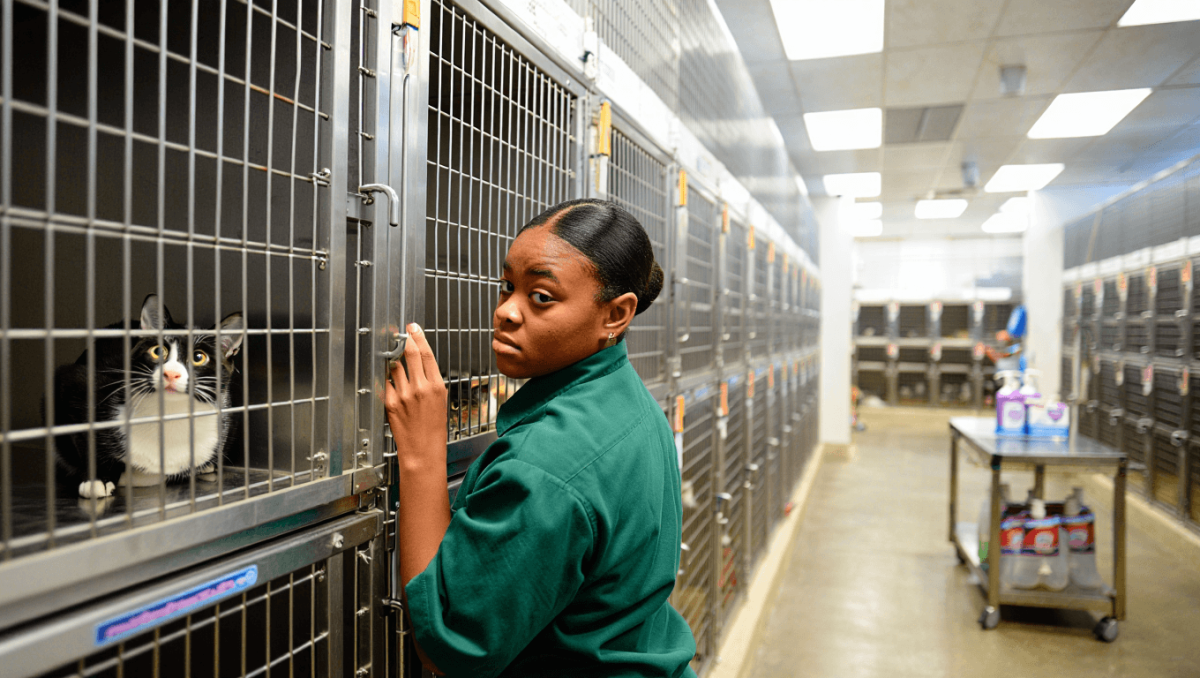
Oklahoma City Animal Welfare has paused accepting cats after detecting cases of feline panleukopenia, a highly contagious viral illness. The temporary halt aims to contain the outbreak and protect vulnerable animals and the wider community—details that matter now for anyone with an unvaccinated cat or who is planning to surrender, adopt, or foster.
Feline panleukopenia, often abbreviated FPV or called feline distemper, attacks a cat’s immune system and intestinal lining. It spreads easily through direct contact with infected animals, contaminated surfaces, or even people who handle infected cats, and it can be life-threatening—especially in kittens and unvaccinated cats.
How the virus shows up
Christa Pike released from hospital after failed execution, attorneys say
Dolly Parton tribute drives Madonna Inn crowds: steakhouse unveils limited menu
Symptoms can appear quickly and escalate within days. Watch for a combination of signs rather than a single symptom.
- Vomiting and watery or bloody diarrhea
- Loss of appetite and severe lethargy
- High fever or, in some advanced cases, a dangerously low body temperature
- Rapid dehydration and weight loss
Because FPV survives for long periods in the environment and resists many household cleaners, shelters typically adopt strict isolation and disinfection routines to stop transmission.
Why the shelter closed cat intake
When a shelter confirms FPV, the priority shifts from intake and placement to containment. That means isolating affected animals, suspending new arrivals, deep cleaning with effective disinfectants, and reviewing staff and volunteer protocols. These steps slow spread and protect animals already in care.
| Facility | Current status | Species affected | Recommended action for owners |
|---|---|---|---|
| Oklahoma City Animal Welfare | Cat intake temporarily closed | Cats (confirmed FPV cases) | Do not bring cats to the shelter; contact your veterinarian or check the shelter website for updates |
What owners and rescuers should do now
Immediate steps can reduce risk to your animals and the community.
- Do not drop off cats at the shelter while intake is suspended—this can spread the virus.
- Confirm your cat’s vaccination history. The core vaccine in the FVRCP series protects against FPV; boosters are critical for young kittens and unvaccinated adults.
- If your cat shows symptoms, call your veterinarian before visiting. Early veterinary care improves outcomes.
- Practice strict hygiene: wash hands after handling cats, disinfect carriers and clothing, and limit contact between indoor cats and any unknown animals.
Shelters do not always publish a fixed timeline for reopening; decisions depend on how quickly containment and cleaning measures succeed and whether new cases emerge. While the intake pause is temporary, it may last several days to weeks depending on the situation.
Broader implications
Outbreaks strain local rescue networks and veterinary clinics: foster capacity tightens, adoption events may be postponed, and clinics see a rise in urgent cases. That elevates the importance of vaccination campaigns and coordinated messaging from shelters and veterinarians.
If you’re unsure about your cat’s vaccination status or need guidance on symptoms and next steps, contact your veterinarian or monitor the Oklahoma City Animal Welfare website and official social channels for updates. Acting quickly and following shelter guidance reduces risk and helps vulnerable animals recover more safely.