Investigators say DNA recovered from the home of Nancy Guthrie is proving difficult to interpret, a development that could slow efforts to tie genetic evidence to any individual. Forensic specialists warn the material’s condition and complexity may limit its usefulness as a definitive match.
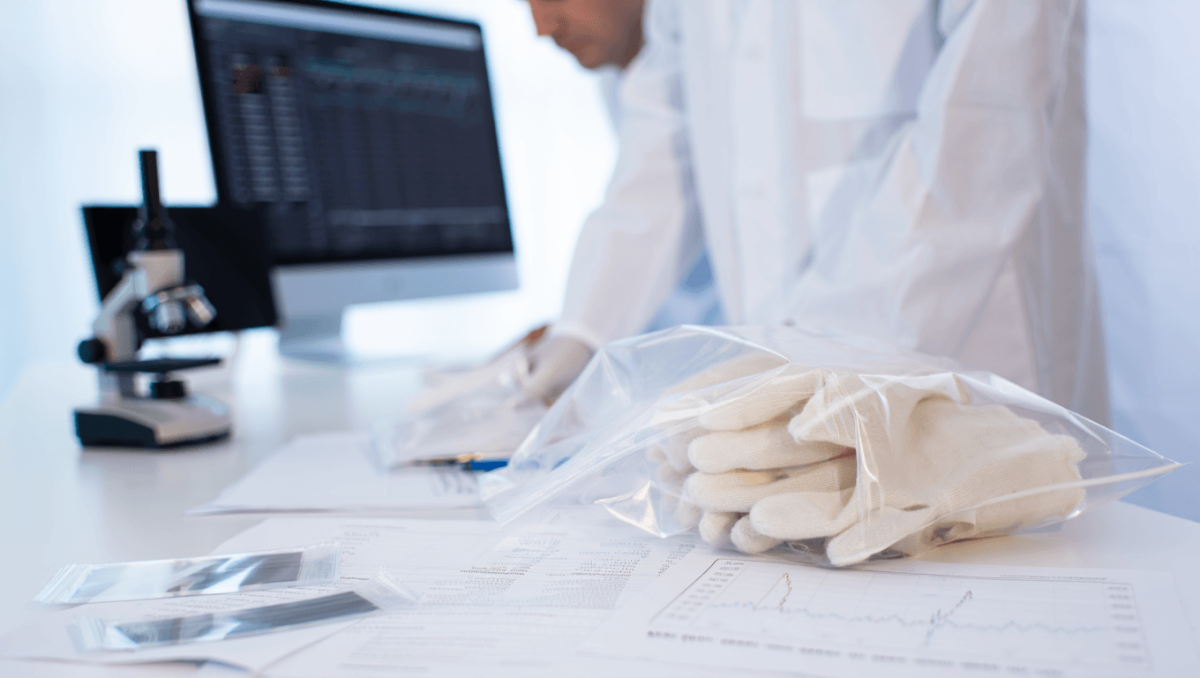
Officials have described the samples as low in quantity and degraded, which complicates laboratory attempts to generate a clear genetic profile. In practical terms, that means the DNA may produce only a partial profile or a mixed profile containing genetic material from more than one person—both outcomes that make a direct database or courtroom-quality match harder to obtain.
Why the DNA may be hard to use
Degraded or scant genetic material is a common problem in forensic work. Sunlight, heat, moisture and time all break down DNA molecules. When technicians extract DNA from a small or contaminated sample, the resulting profile can be incomplete or contain signals from multiple contributors rather than a single, clean sequence.
Christa Pike released from hospital after failed execution, attorneys say
Dolly Parton tribute drives Madonna Inn crowds: steakhouse unveils limited menu
Laboratory methods can sometimes recover more information, but they have limits. Advanced techniques — such as probabilistic genotyping, mitochondrial testing or targeted sequencing — can help interpret poor or mixed samples, yet they can be expensive, time-consuming and still may not produce a conclusive match.
What this means for the investigation
A weak or mixed DNA result typically changes how investigators use the evidence rather than ending an inquiry. Prosecutors and defense attorneys alike routinely dispute the reliability of partial profiles, and judges may rule such evidence inadmissible or limit its weight before juries.
At the same time, investigators can combine genetic findings with other lines of inquiry: witness statements, digital records, surveillance footage, and physical evidence like fingerprints or fibers. In some cases, DNA that initially appears unhelpful can be revisited later as testing methods improve or as new comparative samples become available.
Next investigative steps
– Re-extraction and retesting of the original samples using more sensitive methods.
– Search for additional items or locations that may hold better-preserved DNA.
– Cross-referencing any partial profiles with circumstantial evidence and leads.
– Consulting independent laboratories or forensic experts to verify results.
Quick reference: how sample condition affects outcomes
| Sample condition | Likely laboratory outcome |
|---|---|
| High-quality, single-source | Full profile; strong likelihood of match to databases or known individuals |
| Low quantity / degraded | Partial profile; limited power to identify or exclude individuals |
| Mixed contributors | Complex profile; requires specialized analysis and may be inconclusive |
| Environmental contamination | High risk of misleading or uninterpretable results; careful validation needed |
Broader implications
Practically, the difficulty in interpreting DNA at the Guthrie residence underscores how crucial corroborating evidence remains in criminal investigations. For jurors and judges, the context around genetic results — how the sample was collected, preserved and analyzed — often matters as much as the laboratory output itself.
Investigators say they will continue laboratory work while pursuing other leads. As forensic science evolves, what looks like an ambiguous result today might become more informative tomorrow, but for now the DNA evidence appears to be a challenging piece rather than a decisive one.