Show summary Hide summary
JENKS, Okla. — This spring, students across northeastern Oklahoma shepherded tiny rainbow trout from egg to river, turning classrooms into live laboratories and returning fingerlings to the Lower Illinois River as part of a conservation education effort that ties classroom science directly to local waterways. The project highlights immediate concerns about **water quality** and watershed stewardship while giving young people practical experience in ecology and habitat management.
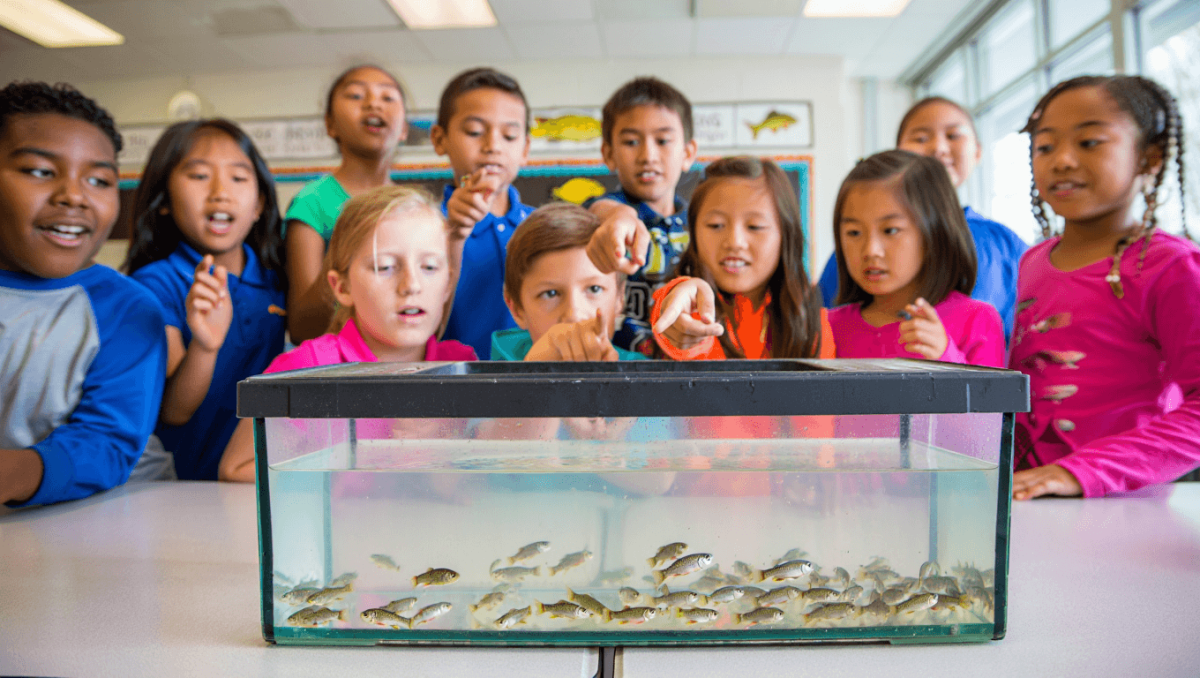
For several schools, including Jenks High School, the semester-long program meant maintaining aquarium systems, running water chemistry tests and solving health issues that threatened the developing fish. Teachers say the work moves beyond diagrams and lectures, introducing real-world troubleshooting that reveals how fragile freshwater ecosystems can be.
From eggs to release
Christa Pike released from hospital after failed execution, attorneys say
Dolly Parton tribute drives Madonna Inn crowds: steakhouse unveils limited menu
Students began the term with hundreds of trout eggs and spent months watching them hatch, growing the fry into fish sturdy enough for life in the wild. In one classroom, an initial batch of 350 eggs produced a survival rate above 70 percent by release day — a notable outcome given rainbow trout’s sensitivity to temperature, oxygen and contaminants.
Those survival figures matter beyond classroom success. Trout require consistently clean, cool water; their presence — or absence — serves as an early warning for pollution and habitat degradation. In Oklahoma, year-round trout habitat is limited: only the **Lower Illinois River** and the Lower Mountain Fork River near Broken Bow reliably support coldwater species.
What students learn
- Aquatic biology: life cycles, metabolism and species-specific needs.
- Water monitoring: measuring pH, dissolved oxygen, turbidity and temperature.
- Problem solving: diagnosing cloudy water, disease, or equipment failure and applying fixes.
- Conservation ethics: how land use and pollution affect fisheries and local communities.
- Outdoor skills: hands-on river work, from release logistics to basic fly-casting and fly-tying demonstrations.
Volunteers from the local Trout Unlimited chapter coordinate the effort, supplying eggs and technical support and turning release day into an outdoor classroom where geology, angling craft and habitat discussions accompany the actual return of fish to the river.
Program organizers trace the local effort to a 2013 rollout by the Dave Whitlock Chapter in Tulsa. Since then, students in roughly a dozen classrooms — ranging from third grade to high school seniors — have released thousands of fish into the Lower Illinois, and community leaders are planning to broaden the initiative into central Oklahoma.
Educators stress that the value is as much civic as scientific. Through hands-on involvement, students learn where their water originates, what pressures threaten it and how small, sustained actions can improve outcomes for both wildlife and people.
Why this matters now
With increasing pressure on freshwater resources from development, runoff and changing climate patterns, local conservation education serves a dual purpose: it builds the next generation’s scientific literacy and creates more informed citizens who can detect and respond to environmental changes. Classroom-raised trout act as a teaching tool and as a visible signpost of river health.
Many students described the experience as eye-opening: learning to run tests, tending to fragile fish and participating in the release changed how they view ecosystems and human impact. Teachers and volunteers hope that familiarity with monitoring techniques and watershed issues will translate into long-term stewardship of regional rivers.
Organizers are seeking to expand the program so more schools can replicate the model: hands-on science that ties lessons back to local landscapes and community responsibility. For now, the spring releases offer a tangible reminder that classroom lessons can move from aquarium tanks to flowing water — and that protecting those waters depends on informed, engaged neighbors.