Show summary Hide summary
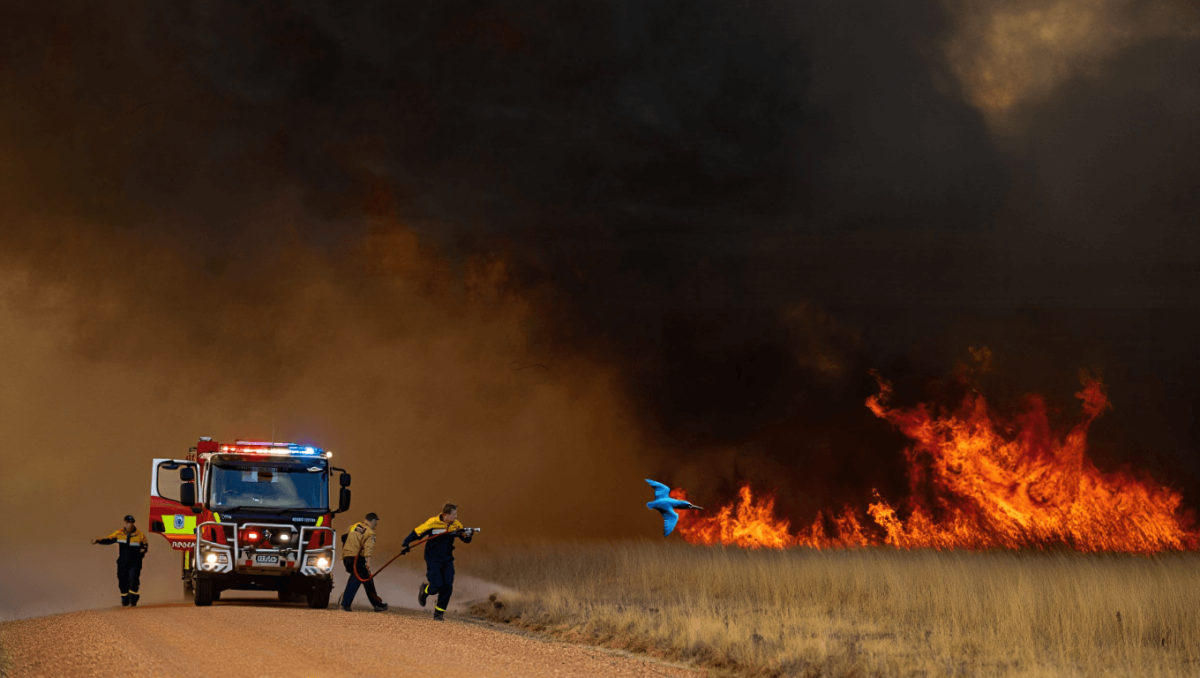
Lightning strikes near Kingfisher in early July sparked several grass fires, putting local crews under pressure as storms continued to move through the area. The events highlight how brief, intense thunderstorms can trigger fast-moving blazes when ground fuels are dry — a hazard with immediate consequences for nearby residents and responders.
Crews battled fires amid unstable conditions
Firefighters from local departments responded quickly to multiple ignition points along rural roadways and open fields. Persistent lightning, gusty winds and pockets of dry vegetation complicated suppression efforts, allowing flames to spread irregularly across the landscape.
Christa Pike released from hospital after failed execution, attorneys say
Dolly Parton tribute drives Madonna Inn crowds: steakhouse unveils limited menu
Officials described the situation as a series of small-but-active grass fires rather than a single large inferno, but the cumulative demand on crews was significant. Equipment and personnel were redirected from routine duties to contain spot fires and protect structures near the fire lines.
Immediate impacts for the community
- Smoke and reduced visibility along county roads, creating potential driving hazards.
- Strain on emergency resources as multiple incidents required simultaneous attention.
- Heightened risk for nearby properties where embers or wind-driven flames could cross into yards or outbuildings.
- Potential for new starts while lightning continues to fall in the region.
Although there were no widespread evacuation orders reported, residents were urged to stay alert to local emergency messages and to avoid the affected corridors to let crews work safely.
Why this is noteworthy now
The episode near Kingfisher illustrates two linked issues: how rapidly storms with frequent lightning can ignite fires, and how dry vegetation magnifies the danger. In seasons when ground fuels lack moisture, even short storms become a fire threat rather than just a rain event.
For emergency planners and neighbors alike, these incidents serve as a reminder that weather-driven ignition sources can arrive with little warning and that response capacity can be stretched when multiple fires occur at once.
Regional forecasts calling for additional thunderstorms raise the chance of more lightning-caused starts over the coming days. Local officials are monitoring conditions and coordinating resources to limit spread and protect communities.
What to watch next: stay tuned to county emergency alerts, avoid nonessential travel near active fire areas, and report new smoke or flames to local authorities so crews can prioritize response.