Show summary Hide summary
Shoppers routinely face packaging that promises more than it delivers — and that confusion matters now as Americans shop tightly for value and health. Understanding what common claims actually mean can change what you buy and how much you spend.
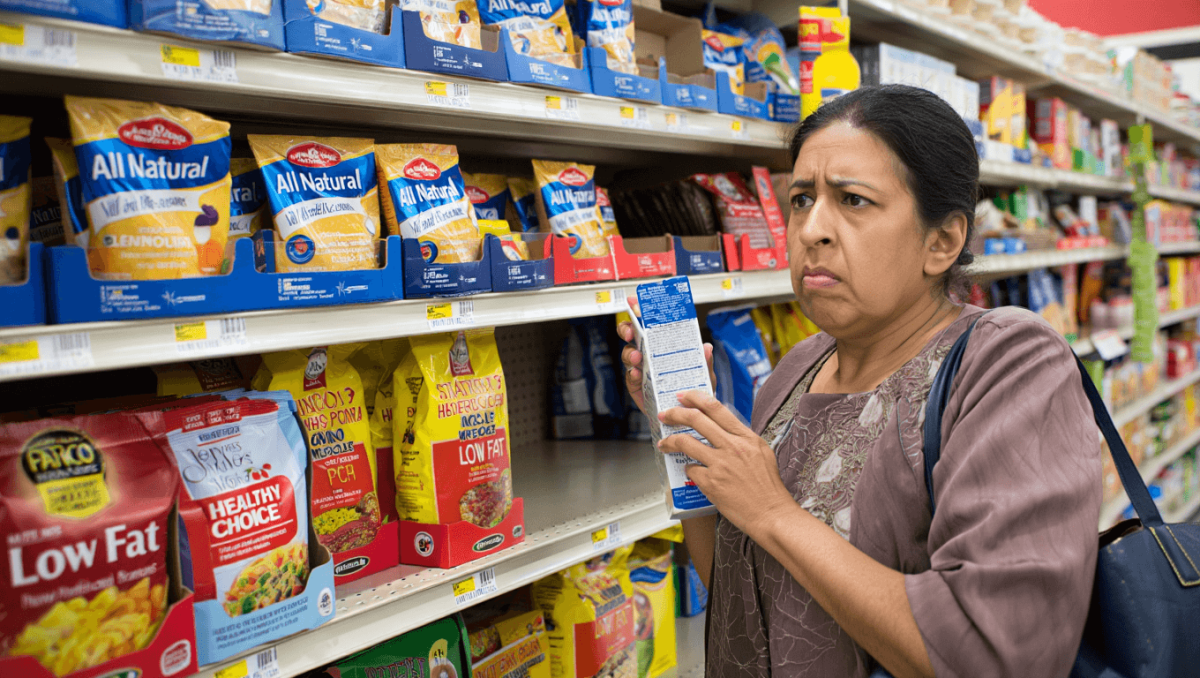
Labels like “natural,” “organic” or “non‑GMO” are short phrases on crowded packaging, but they carry very different meanings — and different levels of legal backing. The gap between marketing language and regulatory definitions has left many consumers unsure which claims reflect verified standards and which are largely promotional.
Why labels feel inconsistent
Multiple agencies share responsibility for food labeling in the United States, and that division creates uneven oversight. The U.S. Department of Agriculture enforces the USDA Organic seal; the Food and Drug Administration oversees nutrition facts and ingredient lists; and the Federal Trade Commission reviews advertising claims. Where authority overlaps or is limited, companies often use vague language that confuses shoppers.
Christa Pike released from hospital after failed execution, attorneys say
Dolly Parton tribute drives Madonna Inn crowds: steakhouse unveils limited menu
Packaging art and selective imagery make matters worse: a box plastered with ripe fruit doesn’t guarantee a product is predominantly made from fresh fruit, and phrases placed near logos can imply endorsements that don’t exist. For consumers trying to compare items quickly, those visual cues can be misleading.
Common labels — what they actually mean
- USDA Organic: A formal certification. Products with this seal meet federal organic standards covering production and handling; look for the official logo to confirm third‑party verification.
- Natural: Largely unregulated. The FDA has historically not defined “natural” for most foods, so the term can be applied inconsistently and may not exclude processing or additives.
- Non‑GMO: Often certified, sometimes not. Some products carry credible third‑party verification (for example, a nonprofit label), while others use the phrase without independent certification.
- No hormones / Hormone‑free: Meaning depends on the product. For beef and pork, labeling can be straightforward; for dairy and poultry, rules differ. Look for specifics or certification if it’s important to you.
- Whole grain: Can be useful but check the ingredient order. A “whole grain” claim may still be on products where whole grains are not the primary ingredient.
- Best by / Use by / Sell by: Date labels are about quality or inventory, not safety in many cases. “Use by” is the most specific for peak quality; “best by” signals optimal freshness.
Practical steps for shoppers
Here are quick, actionable checks to reduce guesswork when you’re standing in the aisle:
- Read the ingredient list rather than relying on front‑of‑package claims; ingredients are listed by weight, so the first items make up most of the product.
- Look for recognized seals (USDA Organic, or a reputable third‑party non‑GMO verifier) rather than ambiguous phrases.
- Compare the Nutrition Facts panel for serving sizes, added sugars, sodium and calories rather than trusting health‑oriented wording on the front.
- If a package emphasizes one ingredient in large type or photography, confirm it appears high on the ingredient list — imagery can be decorative, not factual.
- When in doubt, check the brand’s website for details about certifications and processes; credible companies publish clear verification information.
What’s changing and why it matters
Calls for clearer, uniform labeling have grown as consumers demand transparency about ingredients, production methods and environmental claims. That pressure comes from shoppers, advocacy groups and some lawmakers who say clearer rules would reduce misleading marketing and make comparisons easier.
Retailers are also responding by offering more private‑label transparency or adopting third‑party verifications to build trust. For shoppers, improved clarity would mean faster decisions at the shelf and fewer surprises at the checkout.
Until regulators tighten definitions or one standard predominates, the burden remains on consumers to read beyond the headline claims. Small habits — checking ingredient lists, noting certifications and comparing nutrition panels — cut through marketing shorthand and help you make choices that match your priorities.