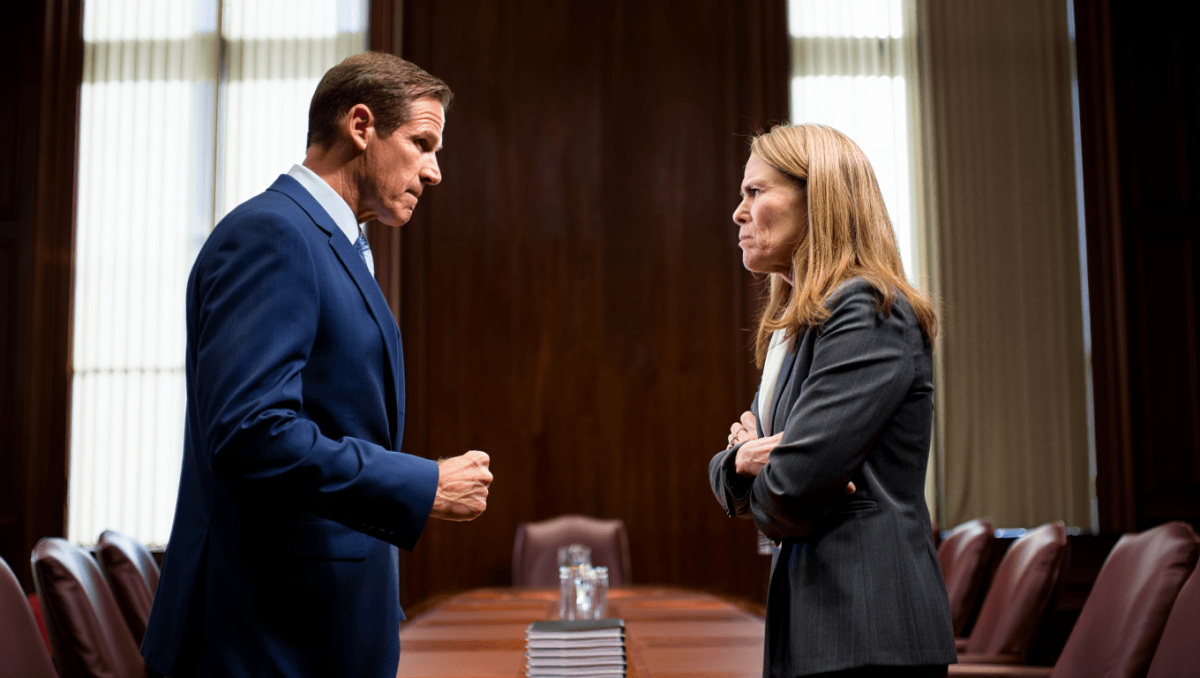
Oklahoma’s attorney general has urged the Big 12 to impose penalties on Texas Tech after reported gambling violations involving the team’s quarterbacks. The appeal has sparked an unusual legal standoff: the Texas attorney general argues that any conference sanction could run afoul of antitrust law.
The dispute centers on alleged wagering by members of Texas Tech’s quarterback room and whether the conference should act swiftly and punitively. Oklahoma AG Gentner Drummond says the Big 12 must enforce rules to protect competitive integrity; Texas’s top legal official counters that aggressive punishment could prompt costly litigation under federal antitrust statutes.
What’s at stake now
Short-term decisions by the conference could shape the program’s season and set precedents for how college leagues handle betting-related misconduct. Longer-term, the clash raises questions about the boundary between athletic discipline and legal exposure for conferences.
Christa Pike released from hospital after failed execution, attorneys say
Dolly Parton tribute drives Madonna Inn crowds: steakhouse unveils limited menu
How the Big 12 could respond
– Launch an independent review or join an NCAA inquiry to gather facts and avoid prejudging outcomes.
– Impose internal penalties such as suspensions or fines if the conference finds clear violations.
– Coordinate with state prosecutors where criminal activity is alleged.
– Decline immediate sanctions while monitoring litigation risk, especially given antitrust concerns.
– Face potential lawsuits if any disciplinary action is perceived as exceeding the conference’s authority.
Legal and reputational implications
If the Big 12 issues heavy sanctions and Texas litigates on antitrust grounds, the conference could encounter a costly legal battle that tests its disciplinary reach. Conversely, taking no action risks appearing lenient on gambling violations at a time when stakeholders and regulators expect accountability.
Broader context
The tension reflects a larger pattern: as legalized sports betting has become more widespread, college athletics have struggled to balance enforcement with legal exposure. Conferences must weigh the need to deter wagering-related misconduct against the potential for lawsuits that could challenge collective governance.
What to watch next
– Any official statement or ruling from the Big 12 detailing steps or timelines.
– Whether the NCAA opens or expands an investigation.
– Filings or public comments from state attorneys general that clarify legal arguments.
– Immediate team-level actions such as roster moves or game absences.
This episode will test how conferences enforce integrity rules in an era of expanded betting markets, and whether disciplinary instincts collide with the complexities of antitrust law.