Show summary Hide summary
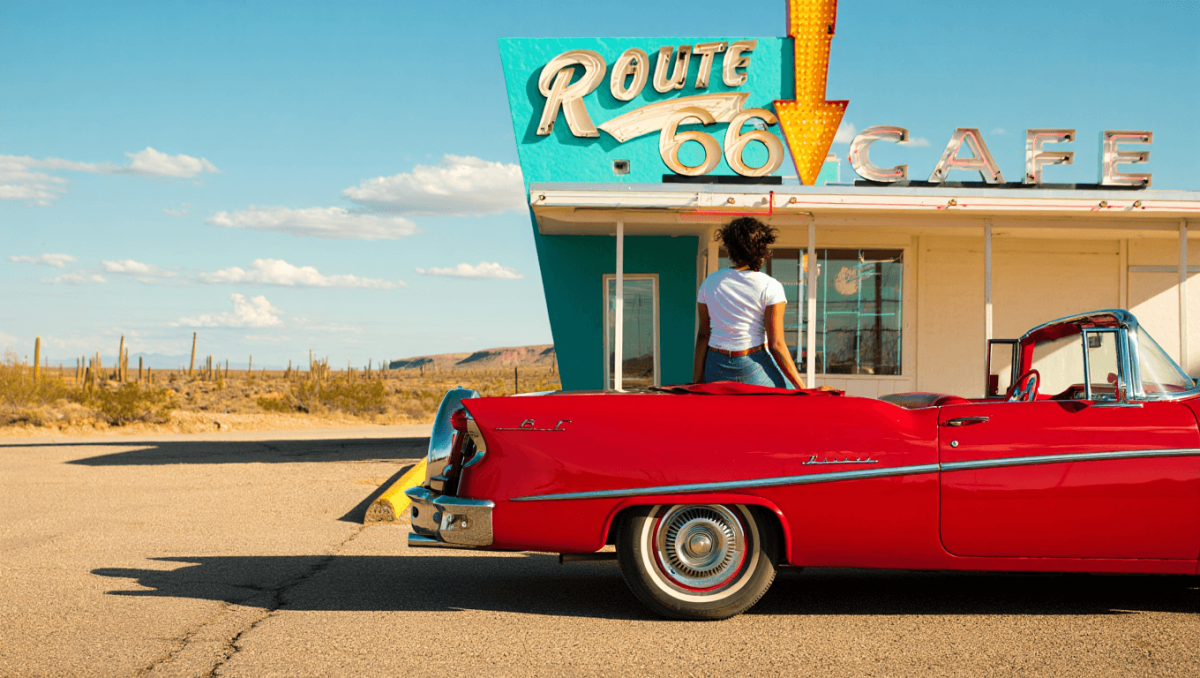
As Route 66 turns 100 in 2026, the old highway is no longer just a relic of American mobility—it’s a living corridor of small-town revival, tourism projects and new travel technologies converging on a single ribbon of asphalt. For anyone planning a road trip this year, the route offers both heritage-rich stops and practical challenges: timing, lodging and now the need to plan for electric vehicles and seasonal crowds.
Route 66, often called the Mother Road, stretches roughly 2,400 miles from Chicago to Los Angeles and threads through eight states. What makes it compelling for modern travelers is the mix: neon-drenched diners and motels stand beside restored gas stations, roadside art and community museums that document a century of roadside culture.
Why it matters right now
Christa Pike released from hospital after failed execution, attorneys say
Dolly Parton tribute drives Madonna Inn crowds: steakhouse unveils limited menu
Communities along the route have leaned into the 2026 centennial with events, restorations and marketing campaigns aimed at reviving long-dormant downtowns. That activity brings more choice for travelers but also means busy weekends, higher rates in small towns, and occasional route closures for parades or maintenance.
Practical planning tips
Decide first what you want to prioritize: history and museums, quirky roadside stops, natural scenery or a faster, scenic drive with a few highlights. Your choices will shape mileage, daily driving time and where you should book stays.
- Time: Allow at least two weeks for a relaxed coast-to-coast trip; one week will feel rushed.
- Season: Spring and fall offer milder weather and fewer extreme temperatures; summer brings festivals and crowds.
- Navigation: Parts of the original road are unmarked; download offline maps and a historic Route 66 guide app.
- Lodging: Book ahead for small-town motels during the centennial year—many have limited inventory.
- Vehicle: If driving an EV, map chargers in advance and plan longer charging stops in larger towns.
Segment snapshot: typical stops and distances
| Segment | Approx. Distance | Notable Stops |
|---|---|---|
| Chicago → St. Louis | ~300 miles | Urban start, Route 66 museums, classic diners |
| St. Louis → Tulsa | ~400 miles | Historic bridges, roadside neon, small-city museums |
| Tulsa → Amarillo | ~370 miles | Art deco architecture, Cadillac Ranch, local cowtown culture |
| Amarillo → Albuquerque | ~290 miles | Wide plains, New Mexican cuisine, Pueblo and adobe influences |
| Albuquerque → Flagstaff | ~320 miles | Desert landscapes, Native American sites, Petrified Forest nearby |
| Flagstaff → Los Angeles | ~450 miles | Grand Canyon detours, Route 66 souvenirs, Pacific terminus |
These segments are a practical way to frame daily driving without treating the highway as merely a checklist. Some travelers choose to focus on a single region—Midwest charm, Texas plains or the Southwest—rather than attempt the entire route in one go.
Cultural and economic stakes
Small towns along the route have a lot to gain from renewed interest: tourism dollars, jobs in hospitality and investment in preservation. Local museums and volunteer-led groups have been key to restoring signage and buildings, turning what were once decaying Main Streets into destinations. For travelers, this translates to richer, more curated experiences—but also a responsibility to support local businesses rather than just passing through.
Preservation work continues, and visitors will often find signage explaining ongoing projects. Pay attention: in some places lanes will be narrowed for restoration or community events may temporarily reroute tourists.
Traveling the Mother Road with an EV
Electric vehicles are increasingly common on long drives, but the route still requires preparation. Charging infrastructure has expanded, particularly near larger towns, but long stretches across rural states can be sparse.
Practical EV steps:
- Plan charging stops around towns with amenities—expect 30–60 minute waits for fast chargers.
- Carry a charging adapter kit and verify charger compatibility before arrival.
- Have a contingency plan: a hybrid vehicle or a backup ICE rental option if charging options are limited on your chosen segment.
What to expect on the road
Expect variety: long, empty stretches across the prairie can be followed by clusters of restored neon signs and bustling weekend markets. Service hours in smaller towns can be limited—many attractions operate on seasonal schedules—so check opening times before you set out.
Take time for unexpected detours. Some of Route 66’s best moments are the unplanned ones: a mural in a back alley, a local diner with a signature pie, or an elderly owner happy to tell you the town’s story.
Route 66 remains both a travel itinerary and a living archive. The centennial year has renewed attention, funding and local events that make 2026 a particularly rich moment to visit—but that also requires more planning than in quieter years. Whether you go for the history, the scenery, or the road itself, treat the journey as part of the story you’ll tell when you arrive.