Since their unexpected return in 2017, nutria — an invasive, semi-aquatic rodent from South America — have re-established a foothold in parts of California, and state wildlife officials say the numbers removed are now in the thousands. New genetic testing and distribution data raise fresh concerns about deliberate reintroductions and the risks to the state’s fragile wetlands.
The California Department of Fish and Wildlife reports that, as of March 2026, authorities have captured or removed 7,841 nutria across the state. Sightings and removals have clustered mainly in the San Joaquin Valley and in parts of Contra Costa County, but pockets continue to appear in new locations.
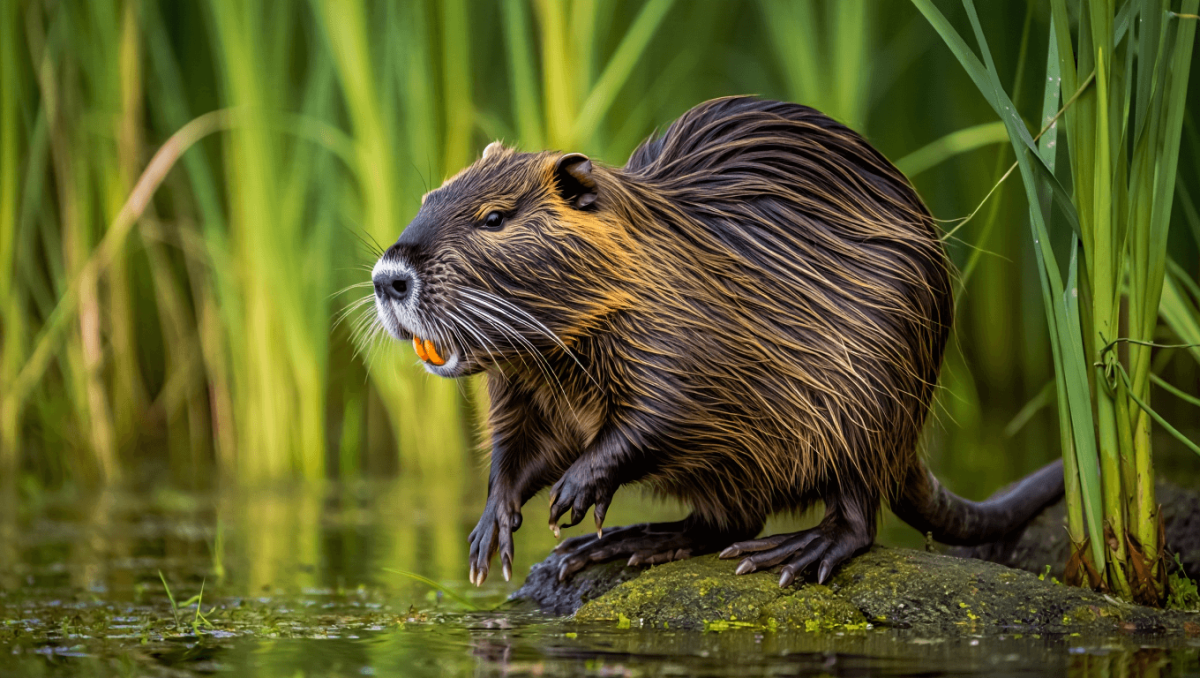
Nutria are large rodents that live near water and can be mistaken for beavers or muskrats at a glance. They are most reliably identified by a long, thin, sparsely haired tail and pale whiskers that stand out against their fur. Their feeding and burrowing habits damage marsh vegetation and can destabilize levees and shorelines.
Christa Pike released from hospital after failed execution, attorneys say
Dolly Parton tribute drives Madonna Inn crowds: steakhouse unveils limited menu
Records show the species was imported to North America around the turn of the 20th century for the fur trade; early attempts to establish populations did not persist. The recent wave of detections beginning in 2017 marked a dramatic change after decades with no established California population.
DNA and genetic analyses conducted by state researchers have linked some California animals to a separate population in central Oregon. Because natural waterways between the two regions do not provide a straightforward migration route, officials say the genetic match suggests at least some nutria were moved by people rather than arriving on their own.
David Headrick, a professor emeritus in Cal Poly’s plant sciences department, says the speed and pattern of spread are troubling. He notes that the Central Valley’s drainage systems generally funnel toward the Bay Area rather than to the Central Coast, making a natural leap to places like San Luis Obispo County unlikely but not impossible.
If nutria do establish along the Central Coast, Headrick warns, they would find abundant suitable habitat. Estuaries and marshes such as Morro Bay, Sweet Springs in Los Osos, and wetland complexes near Pismo Beach, Arroyo Grande and Guadalupe are particularly vulnerable — where burrowing and grazing could rapidly degrade tidal marshes and freshwater wetland vegetation.
- Population to date: 7,841 nutria removed statewide (CDFW, March 2026).
- Primary hotspots: San Joaquin Valley and Contra Costa County, with sporadic detections elsewhere.
- Identification: beaver- or muskrat-like appearance, thin sparsely-haired tail, white whiskers.
- Ecological threat: loss of marsh plants, weakened levees, increased erosion, harm to native species and habitat.
- Genetic finding: links to a central Oregon population suggest purposeful human translocation in some cases.
State agencies and local partners continue trapping and monitoring efforts aimed at containment and removal. The economic and ecological costs of an established nutria population could be substantial: degraded wetlands reduce flood protection, diminish wildlife habitat and complicate water-management efforts that many communities depend on.
For now, California’s response combines field surveillance, genetic testing and targeted removal to prevent the rodents from gaining a permanent foothold in sensitive coastal and valley wetlands. The recent genetic evidence — and the thousands of animals already taken — underscore that the issue is no longer hypothetical: it is an ongoing management challenge with real consequences for the state’s waterways and shoreline resilience.