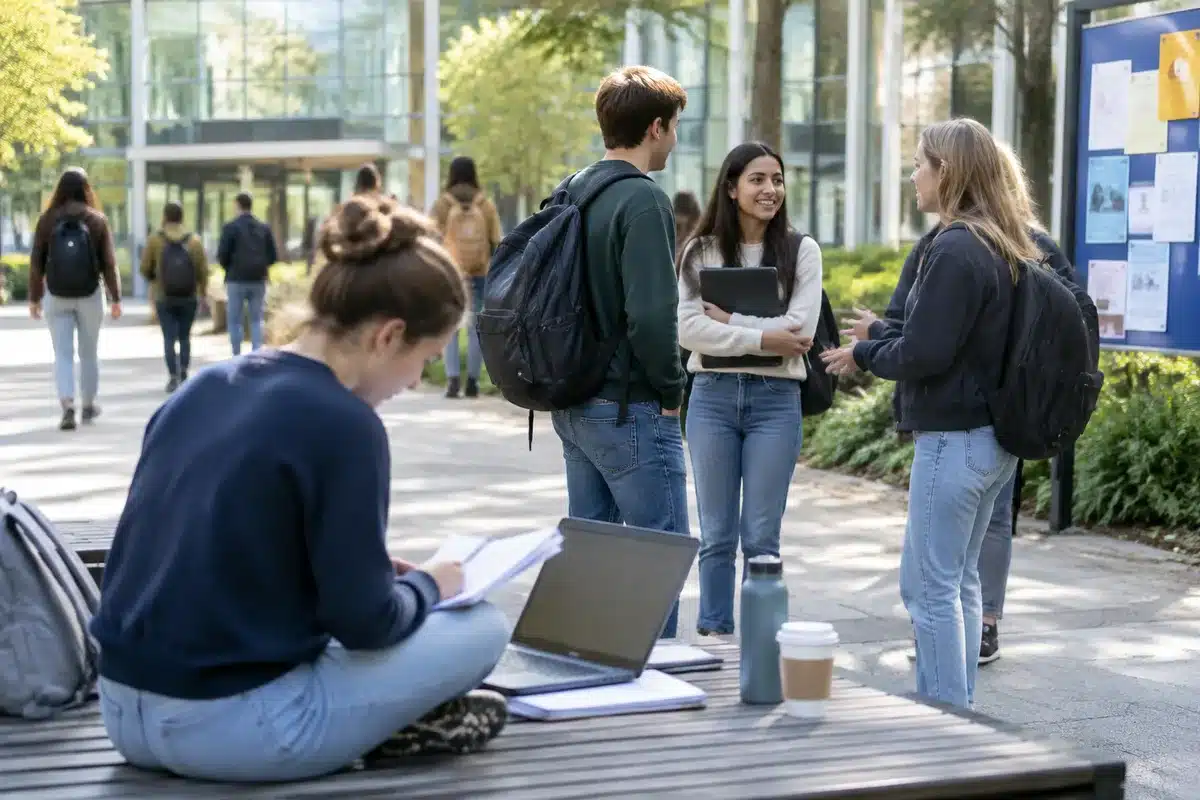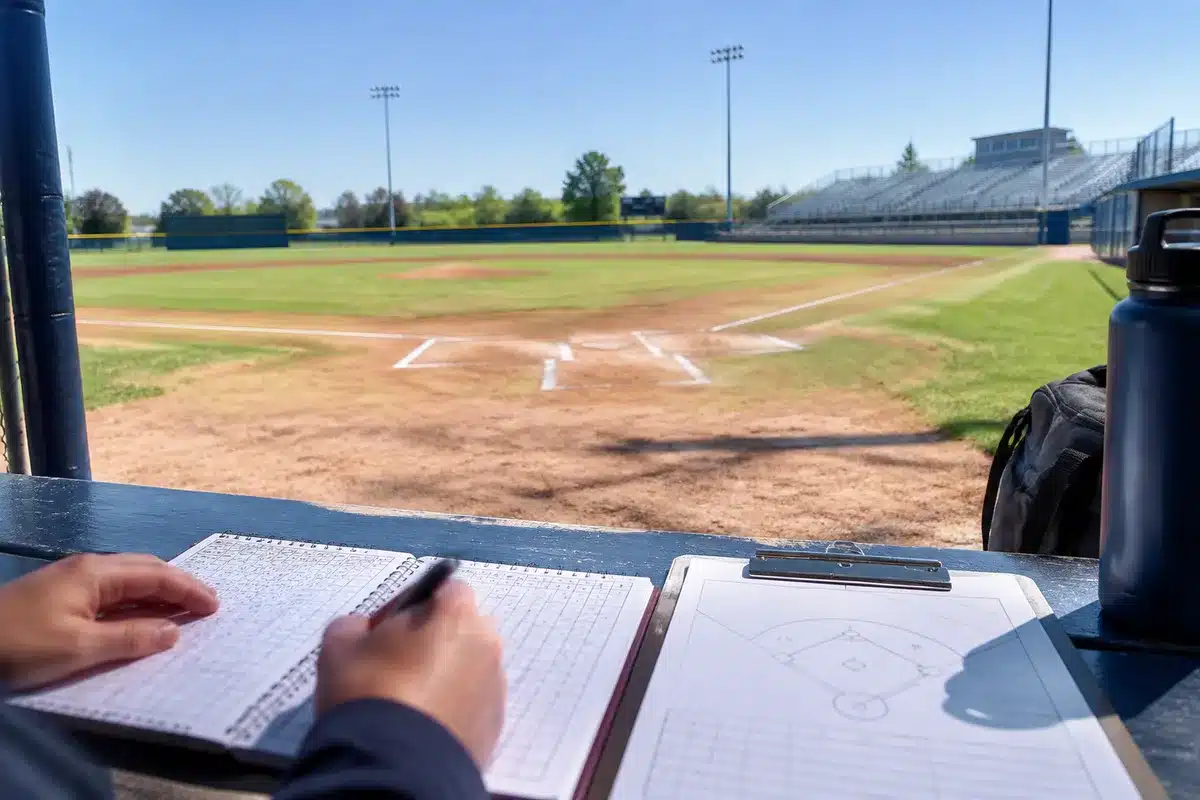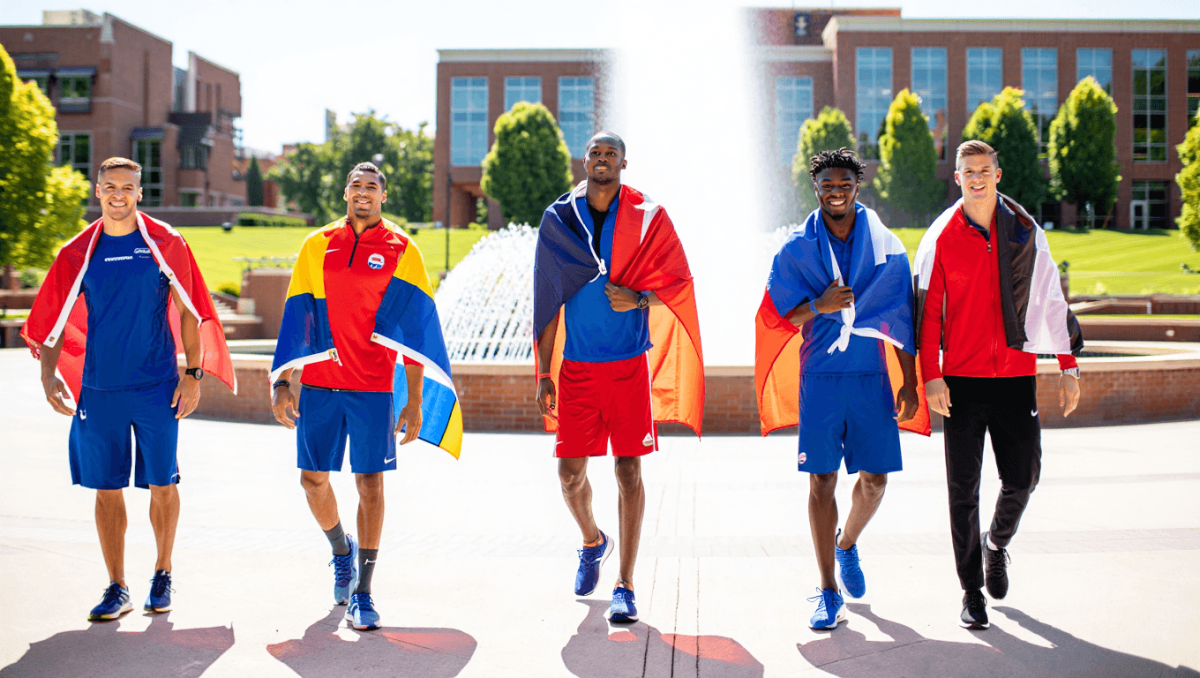
Oklahoma City University will host more than 170 Olympic athletes for two weeks during the 2028 Summer Games, as the city takes on canoe slalom and softball competitions outside the Los Angeles hub. The arrangement turns OCU into a satellite Olympic village and brings immediate economic, logistical and sporting consequences for the university and the surrounding community.
Organizers have assigned the full canoe slalom schedule to RIVERSPORT Rapids and will run softball at Devon Park, placing both events—and their athletes—firmly in Oklahoma City rather than in the main Los Angeles Village. That means teams will be housed, fed and trained locally while competing on-site.
Team OKC’s president, Michael Byrnes, said the city plans to provide comprehensive support for visiting delegations and to match Olympic standards for services and security. OCU officials, for their part, framed the decision as a major opportunity to showcase campus facilities and local sports infrastructure.
Christa Pike released from hospital after failed execution, attorneys say
Dolly Parton tribute drives Madonna Inn crowds: steakhouse unveils limited menu
Why a satellite village matters
Holding events away from the host city has become common for modern Games, allowing sports to run where the best venues already exist. For Oklahoma City, the choice avoids building new, costly housing and instead concentrates resources where facilities are proven.
For athletes, the arrangement offers practical advantages: reduced travel between accommodations and venues, tailored training access, and a localized operations center for team staff. For residents and businesses, it brings short-term boosts in tourism, hospitality demand and volunteer engagement—but also added pressure on transportation, security and public services during the competitions.
OCU’s selection reflects long-standing local ties to both sports. The university’s boathouse at Devon helped anchor the city’s Boathouse District development and now functions as a high-performance training site. OCU’s softball program also brings a deep resume, having won multiple NAIA national titles.
- Host institution: Oklahoma City University (housing athletes and officials)
- Venues: RIVERSPORT Rapids (canoe slalom); Devon Park (softball)
- Athletes on campus: More than 170
- Canoe slalom dates: July 14–22, 2028
- Softball dates: July 23–29, 2028
Local officials say planning will focus on integrating university facilities with Olympic security plans and transportation networks. That coordination is critical: while satellite villages reduce some costs associated with a centralized Olympic Village, they also require tight logistics to maintain competition schedules and athlete welfare.
Beyond the immediate operational work, city leaders and university administrators are weighing legacy outcomes. Upgraded training facilities, increased international visibility and an influx of visitors could leave lasting benefits—but those gains will depend on how post-Games use of venues and community access are managed.
For residents, the coming years will bring concrete decisions: where to direct public spending, how to support volunteer and hospitality programs, and how to balance event-driven disruption with the potential uptick in jobs and local business revenue. As the 2028 schedule approaches, expect detailed planning documents, security briefings and community consultations to follow.