Show summary Hide summary
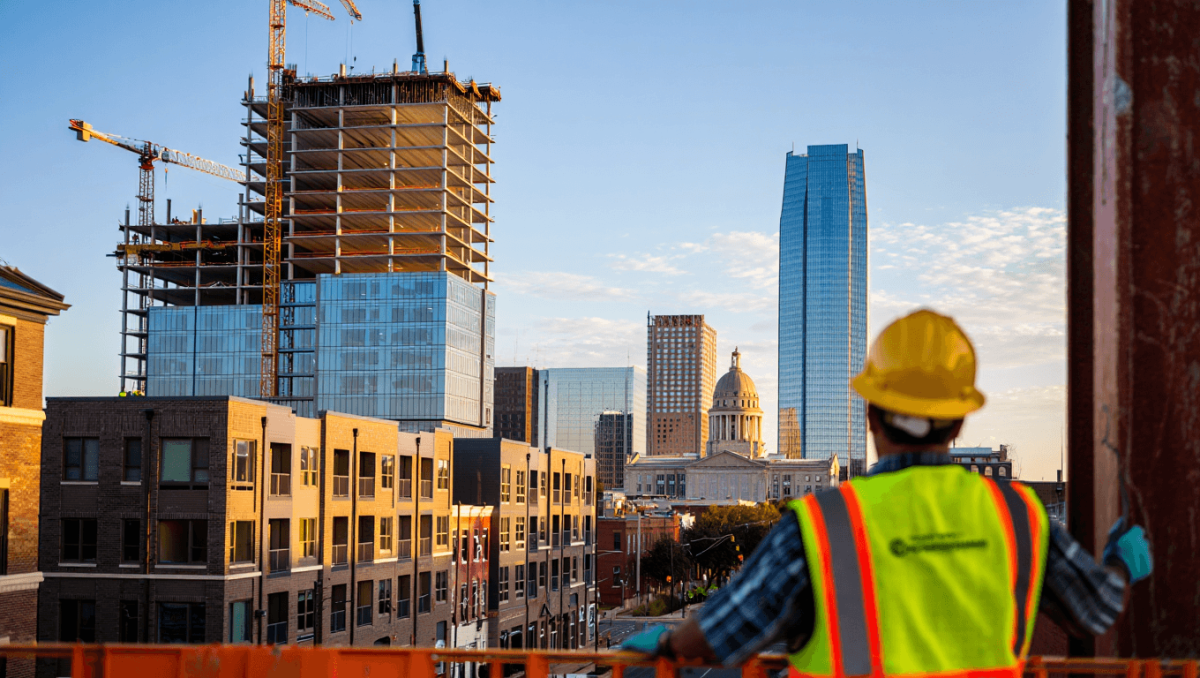
Oklahoma City’s skyline and neighborhoods are shifting fast: in the past several months a string of approvals, permits and groundbreakings has pushed a range of large-scale developments from plan to reality. For residents, workers and investors, that pace matters because these projects will shape housing supply, jobs and traffic patterns across central OKC for years to come.
What’s breaking ground and why it matters now
City filings and recent public meetings show momentum across several fronts: new mixed-use complexes, conversion of older warehouses into apartments and office space, and upgrades to riverfront amenities. Combined, these efforts signal a move toward denser, transit-friendly development aimed at attracting employers and younger residents.
Christa Pike released from hospital after failed execution, attorneys say
Dolly Parton tribute drives Madonna Inn crowds: steakhouse unveils limited menu
Beyond aesthetics, the immediate effects are tangible: construction activity brings short-term road closures and noise but also local hiring and contracting opportunities. Longer term, the arrival of new housing and commercial space will influence rents, commute times and retail options in neighboring districts.
Major projects to watch
- Riverside mixed-use redevelopment — New multi-story buildings proposed along the Oklahoma River are designed to combine retail, apartments and public green space. Status: planning approvals and early site work. Why it matters: expands public access to the river and could shift retail foot traffic eastward.
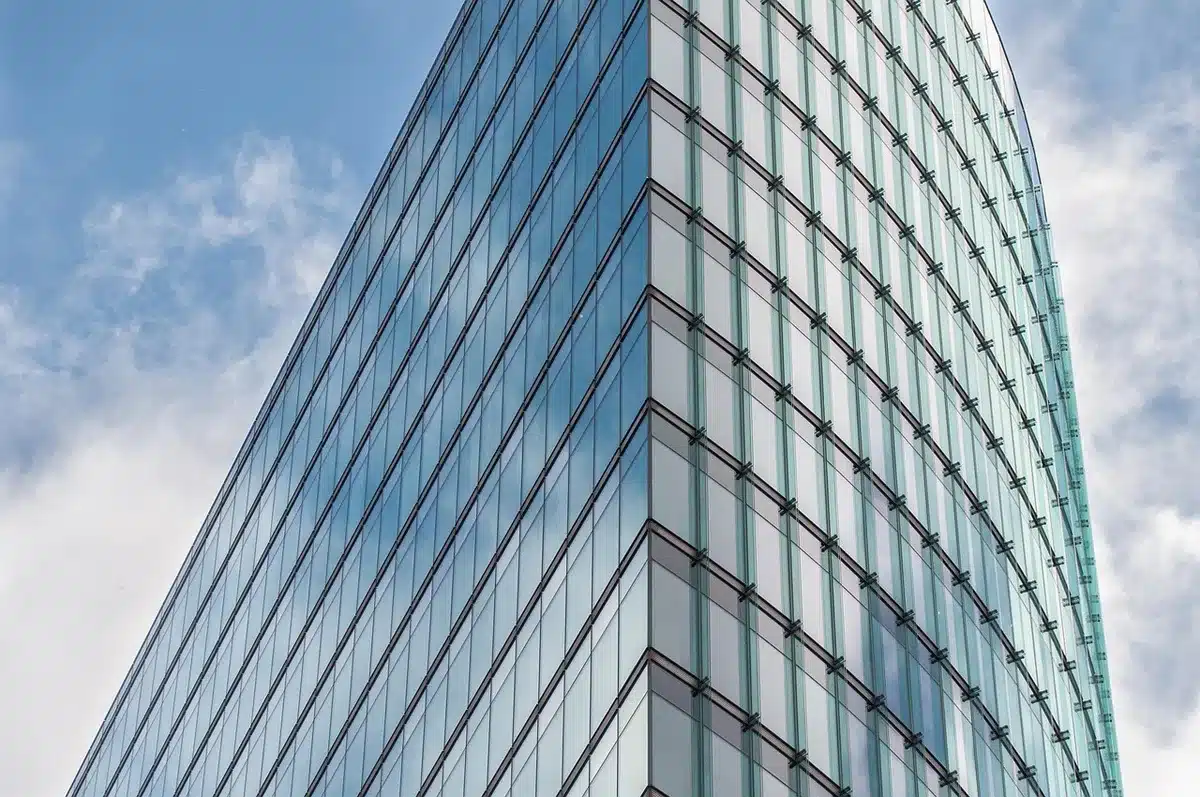
- Downtown office and retail tower — A large commercial office project near the central business district has moved through permitting and is expected to attract professional firms. Status: financing and pre-construction. Why it matters: adds modern office stock at a time employers are weighing downtown locations.
- Midtown housing clusters — Multiple apartment developments and several smaller infill projects in Midtown and surrounding neighborhoods aim to add hundreds of rental units. Status: builders breaking ground or filing final plans. Why it matters: increases housing supply but could change neighborhood character and parking demand.
- Adaptive reuse of historic warehouses — Conversion projects that repurpose older industrial buildings into creative office and loft apartments. Status: construction underway at select sites. Why it matters: preserves historic fabric while delivering new space for startups and residents.
- Neighborhood infrastructure upgrades — Streetscape improvements, bike lanes and new public plazas tied to larger developments. Status: phased public works. Why it matters: improves walkability but may require temporary detours and reduced parking during construction.
Short-term tradeoffs, long-term stakes
Construction creates immediate disruption — lane closures, equipment staging and occasional service interruptions — and those impacts are concentrated where multiple projects overlap. Homeowners near active sites should expect trucks and intermittent noise for months at a time.
On the flip side, these projects can increase property values, expand retail choices and create hundreds to thousands of jobs in construction and, later, in service and professional roles. The distribution of those benefits depends on zoning choices, affordable-housing commitments and how the city manages infrastructure demands.
How the city is responding
City planners are updating traffic plans and coordinating utility work to limit bottlenecks. Public meetings and council hearings this spring focused on permitting timelines, mitigation of construction impacts and requirements for public space within large developments.
Developers are increasingly asked to include public amenities — plazas, widened sidewalks, or bike parking — as part of approval packages. Those concessions help projects pass review but may also extend timelines or increase costs.
What residents should watch next
- Permitting calendars and council agendas — quick indicators of which projects are moving into construction.
- Traffic advisories and phase schedules — to plan commutes and deliveries around closures.
- Community benefit commitments — affordable housing set-asides, public space, and local hiring pledges that affect how gains are shared.
- Local contractor bid notices — opportunities for small businesses and tradespeople during the construction phase.
Development is reshaping large portions of Oklahoma City, but the final outcome will depend on city oversight and community engagement in the months ahead. For people who live, work or run businesses here, the practical questions are immediate: how long will construction last, where will traffic reroute, and which projects will actually open their doors next year. Watching city filings and attendance at planning meetings remains the best way to stay informed as these projects move from cranes and concrete to occupied streets and storefronts.